Chipua: Institute for Social Transformation

 
  • Increase font size
  • Default font size
  • Decrease font size
Chipua: Institute for Social Transformation

31 “Girls in Crisis” Graduate in Yombo Community

E-mail Print PDF

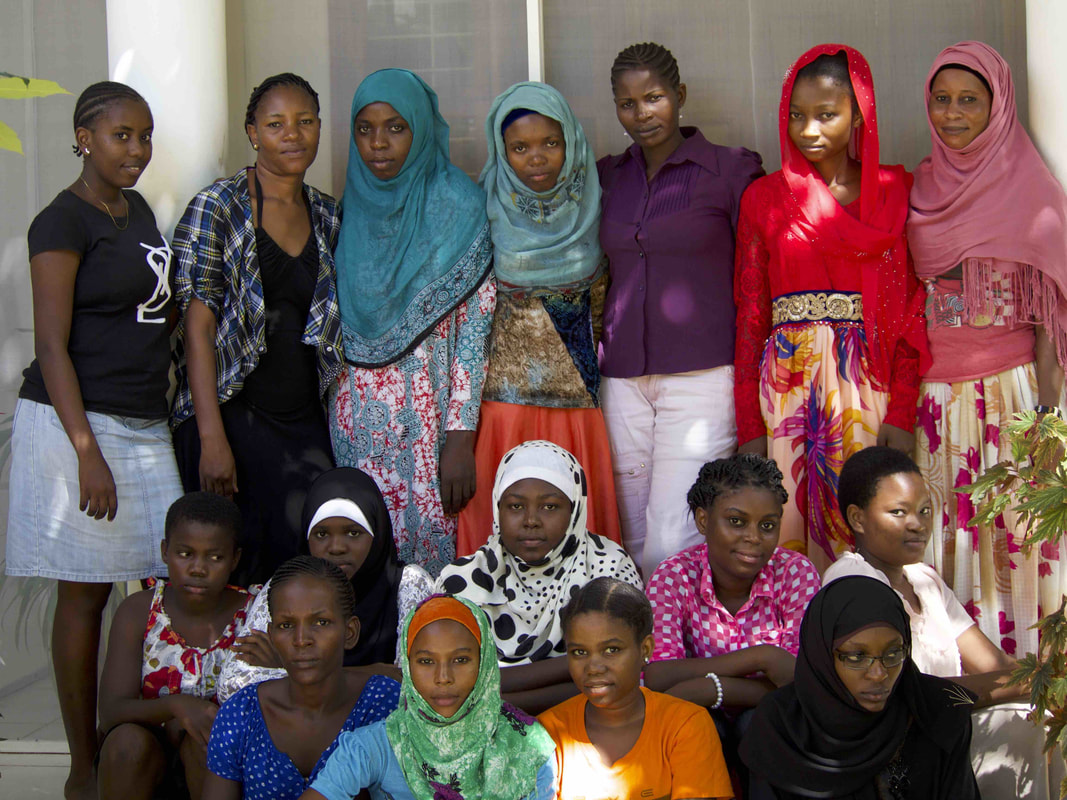
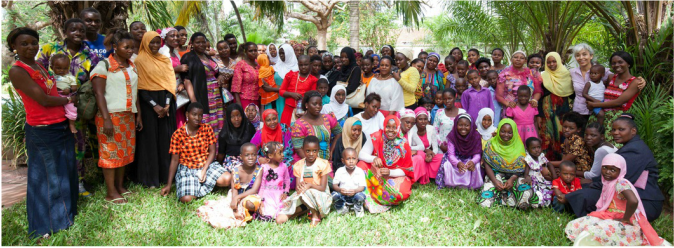
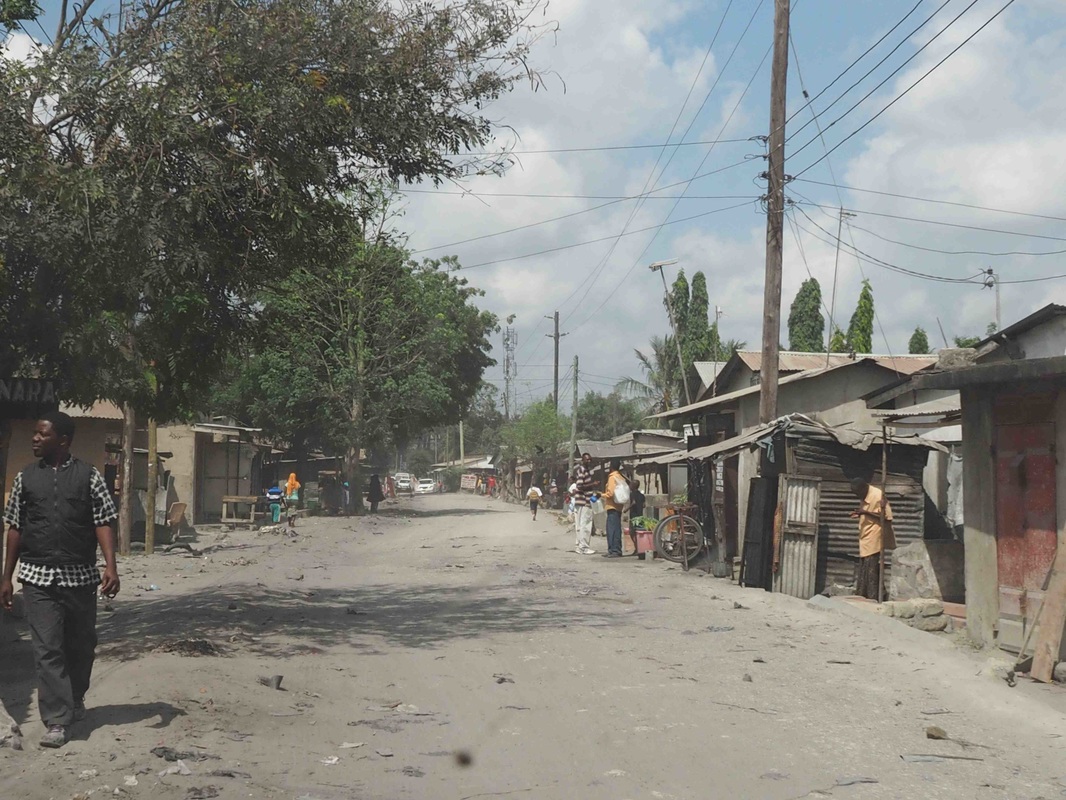
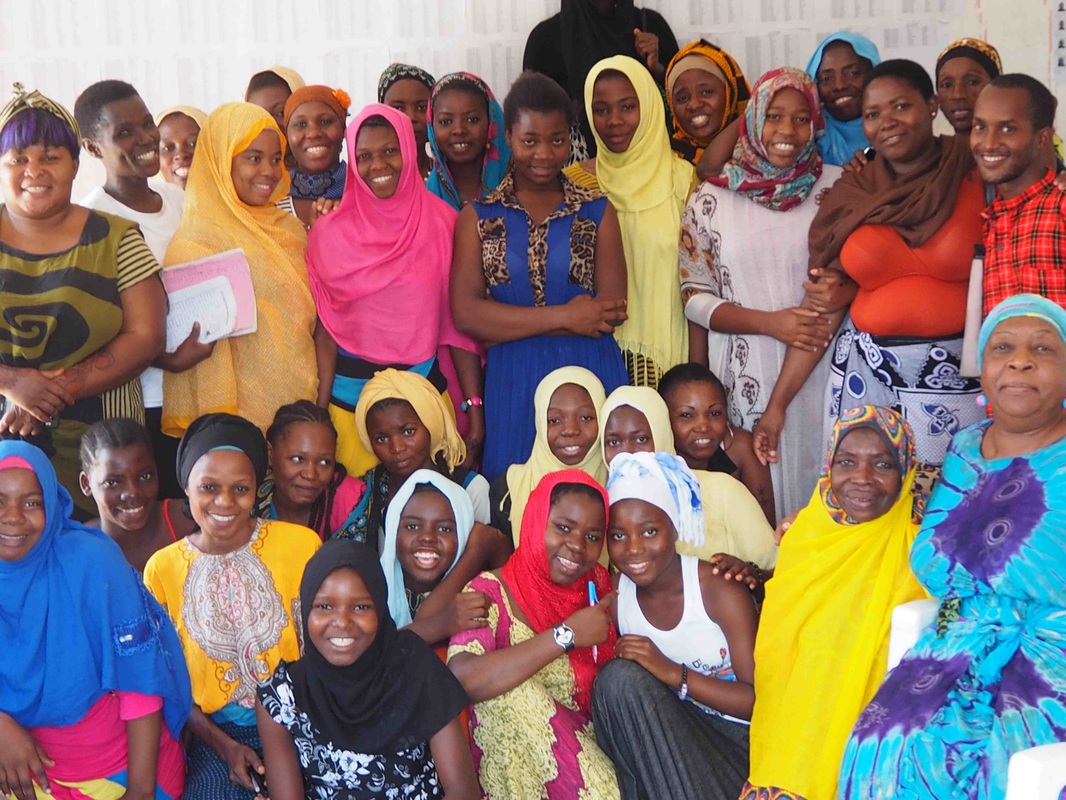
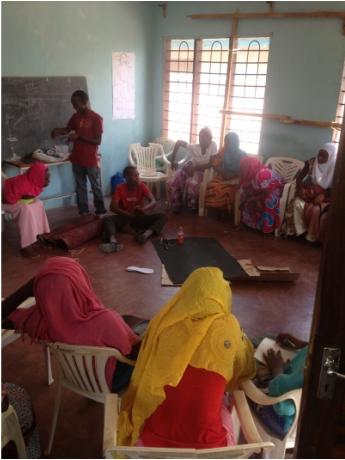
4 June 2011 - 31 vulnerable disadvantaged girls from Yombovituka, a community on the outskirt of Dar es Salaam, were empowered and given back to the community in a graduation ceremony held on the 4th June.

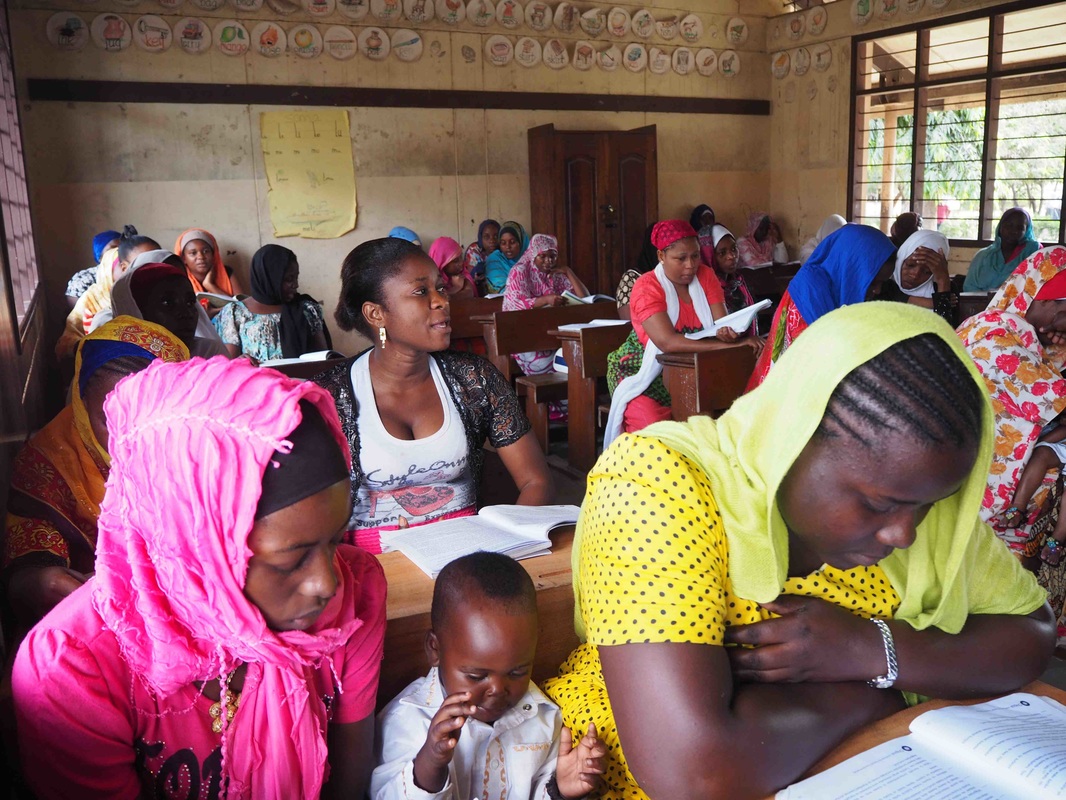
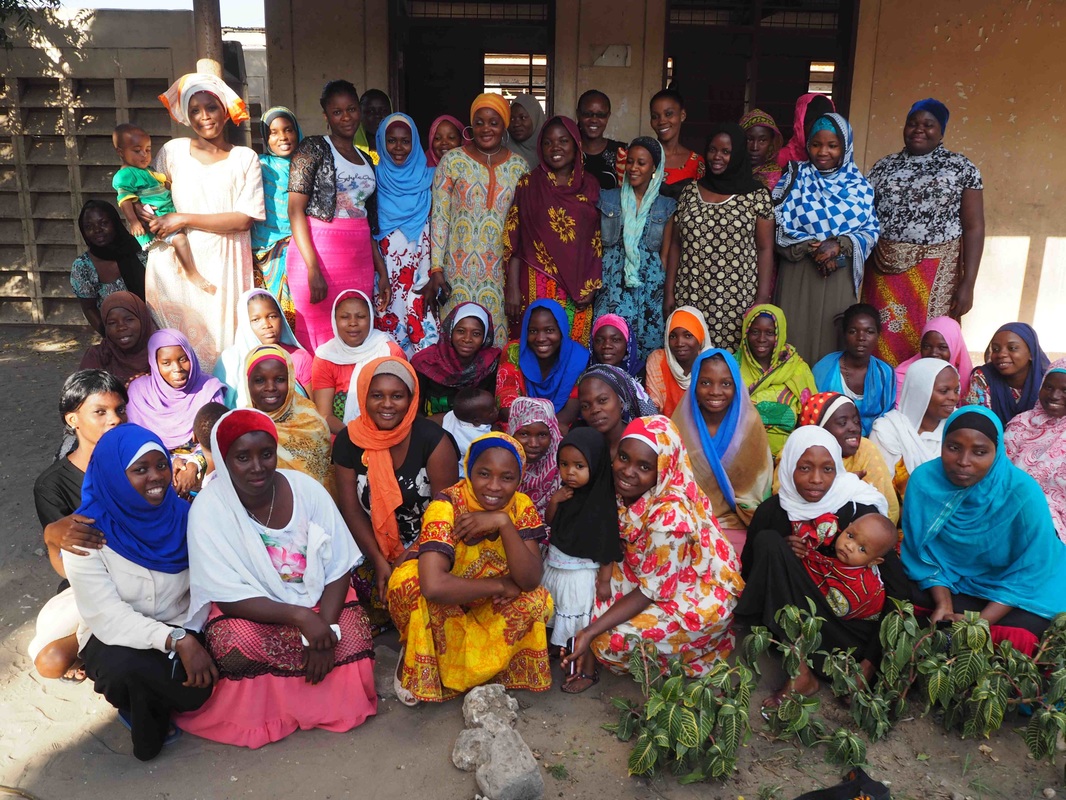
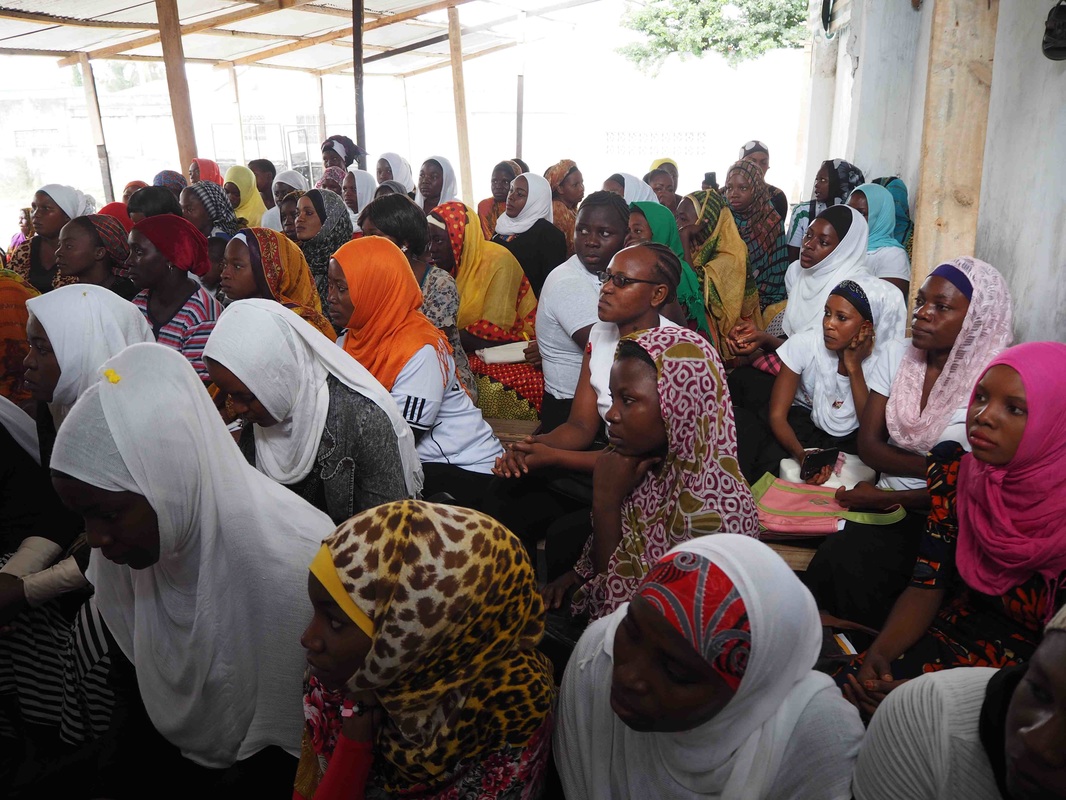
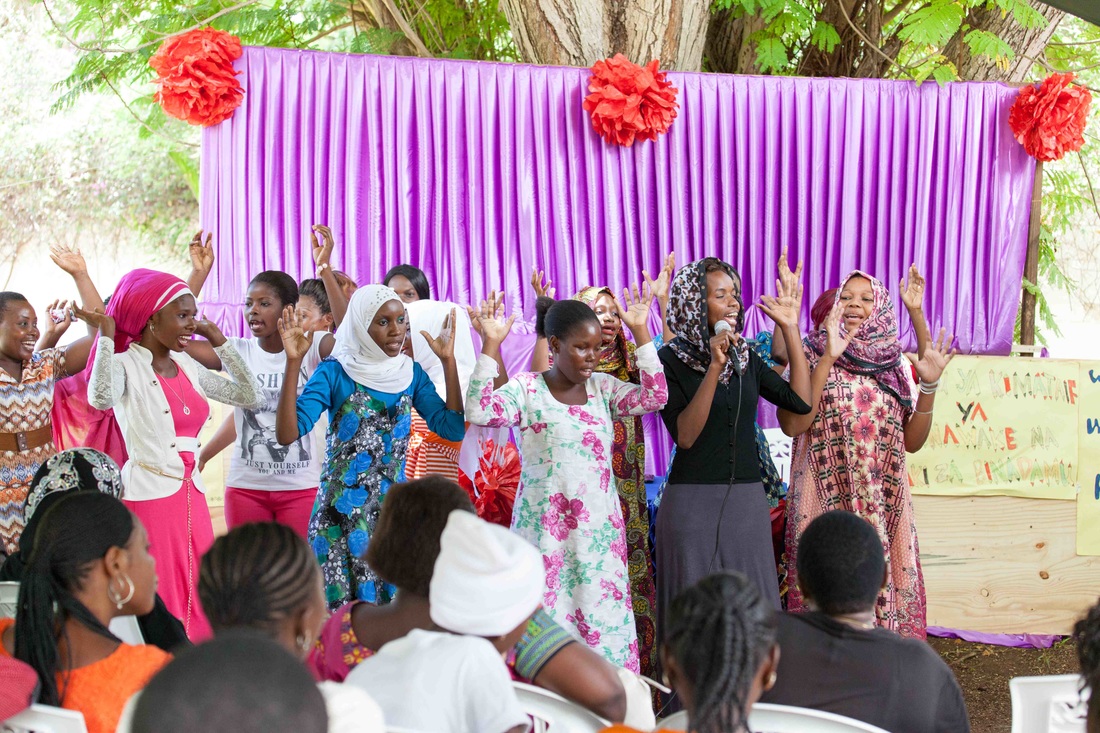
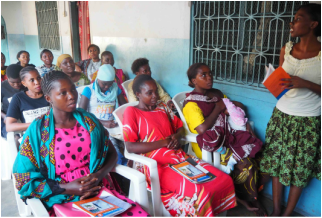
The aim of the workshop was not only to congratulate 31 girls for completing a six-month training but also to inform the community that these girls are available to reach out to other vulnerable girls and help them become confident. In addition the ceremony marked the start of independence of these girls.  These girls in the coming months would embark their own small businesses such as trade, batik making, sewing, catering etc.  Over 170 people participated in the celebration including the parents of the graduating girls, the community members and the program participants from other Chipua centre. The ceremony started by the program participants at Yombovituka welcoming parents and staff with a special song.  Program was filled with artistic expressions of the skills they had learned during the training, these included, a drama on domestic violence, early pregnancy and divorce by the girls from Mikocheni centre, a poem about the important of lifeskills by Yombovituka girls, and more. The Director, Mitra Deliri gave a short talk encouraging the girls to be independent and that was followed by appreciation and thanks by some of the parents. “ I am very happy that my young wife has taken part in the training offered by Chipua.  Now-a-days she focuses on gender equality and does not prefer our son to our daughter” said Mr. Simon Dumi “In addition she knows a lot about nutrition, health, and human rights” continued Mr Dumi.  Mrs. Ulemela, mariam-Ally’s mother said, “I am proud of my daughter. She is committed more responsible”.  A local government personnel appreciated Chipua because of the change she has observed in her daughter and the community. Mr. Seif Madirisha representative from the local government also thanked Chipua for empowering the girls, at the same time, he asked’ why only girls?’. He made an ardent request to Chipua to think about training to help change the altitude of the boy like they do to girls. Once the certificates were given to the 31 graduating girls, the actual celebrations started with lots of food and jubilee.

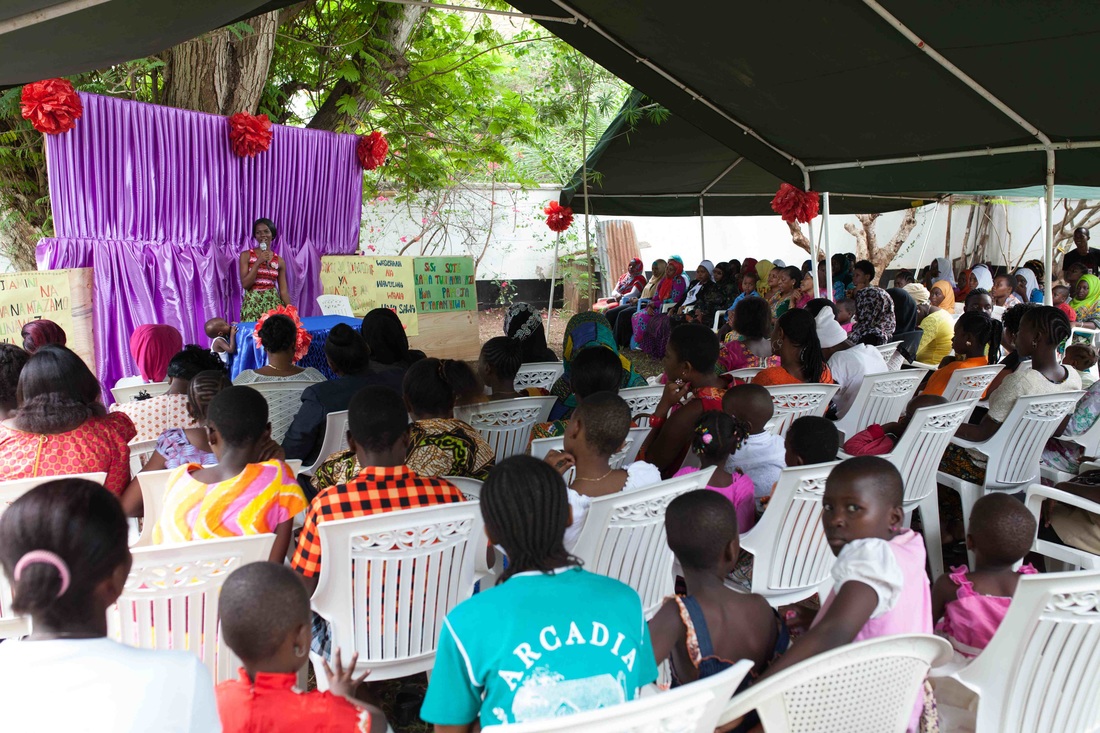
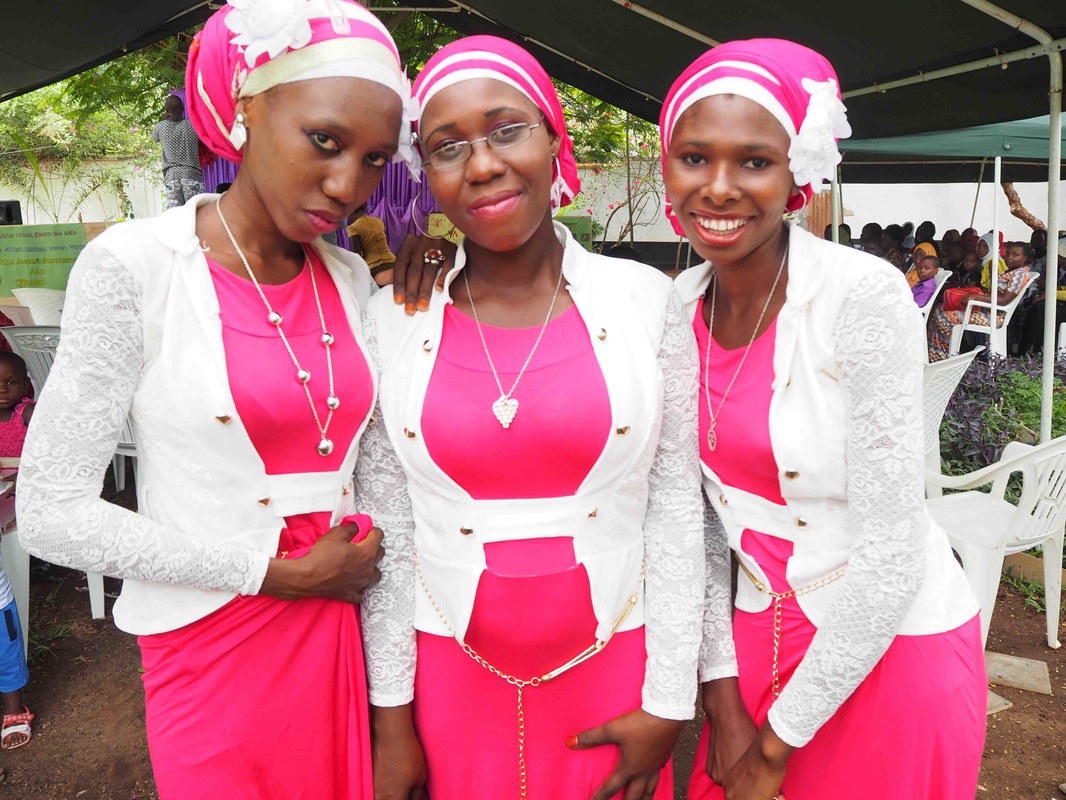
Rehema graduates as a Girl LeaderA mother testifies to positive changes in her daugherProgram participants in a drama on gender issuesGraduating Girls arrivingCertificates are given to the graduatesGraduates group photo with their trainersView of the graduation from a distantA drama by the program participantsProgram participants singing togetherGirls performingGirls performingLadies cooking for the party


Last Updated ( Saturday, 23 July 2011 18:40 )
 

RECENT NEWS

E-mail Print PDF

Girls in Yombo Vituka go out of their way to help their community

3 May 2011 - In Yombo location (a Chipua project area), after a Chipua member lost her father, program participants took the initiative of supporting their friend.  They visited her home and literally helped her with her daily chores and organizing a funeral for her father.  The support and solidarity was so sincere and unique that some of the visitors who came a long way to attend the funeral were shocked and asked the girls, “how come you are helping out so much?” and the response from a program participant was, “girls need other girls’ support in order to stand on their own feet and not feel disappointed and alone.  We should go beyond talks or shows, but action”.  Additionally, some girls sought out a widowed woman from the community and have since been assisting her in fetching water and cooking, also providing her company.

Girl Leaders start a campaign called  “Girl in Crisis Home Visits”

May 2011 - Several times a week the project participants, taking part in the program at Chipua are accompanied by the Girl Leaders; go out to different communities to reach out to those girls who find it difficult to attend the “girls in crisis project”.  “It is a difficult job, sometimes the parents of some of the girls do not want us to talk to their girl, but we have to try,” said Latifa a program participant.   As a result of these home visits, many girls find courage and hope in taking part in the program.  Girls’ leaders are those girls who took part in the previous projects and were transformed into Girl Leaders. 

Girls performing

Visit by Ms Nikki Abrishamian

1 April 2011 - Ms Nikki Abrishamian made a visit to Chipua at Mikocheni A in Dar es Salaam, Tanzania.  Her visit was a surprise visit and coincided with the “girls drama day”. 

Girls performed several skits and songs depicting the social pathologies in the communities, including gender inequality and albinos discrimination.  The preparation for the food, tents, chairs, program was carried out by the 40 or so girls who take part in the “Girl in crisis” project and the dramas were written and directed by the girls themselves.  Ms Nikki’s astonishment was evident in her comment “ Wow, this is amazing.  These girls are really something.  I am so glad I came to see them, otherwise I would have never believed if you told me about it”.  The project participants on the other hand were very excited to see a visitor who was interested to see them and watch them and praise them.  


Last Updated ( Wednesday, 01 June 2011 07:50 )
 

Chipua Summer 2010 Update

E-mail Print PDF

Chipua is a special place of learning for the children and youth of Dar es Salaam for a number of reasons. All of our projects and training are offered to free of charge. Participants are not obligated to attend simply to get their money's worth; rather, they come willingly and happily because they love to participate in our programs and find them rewarding and enriching. The most important aspect that attracts the hearts of those 150 participants who come to Chipua on a daily basis is the over ruling spirit of caring and concern, a rare and much needed characteristic in the developing world. This is then reflected in the way the training on various themes are offered and the participants are treated.

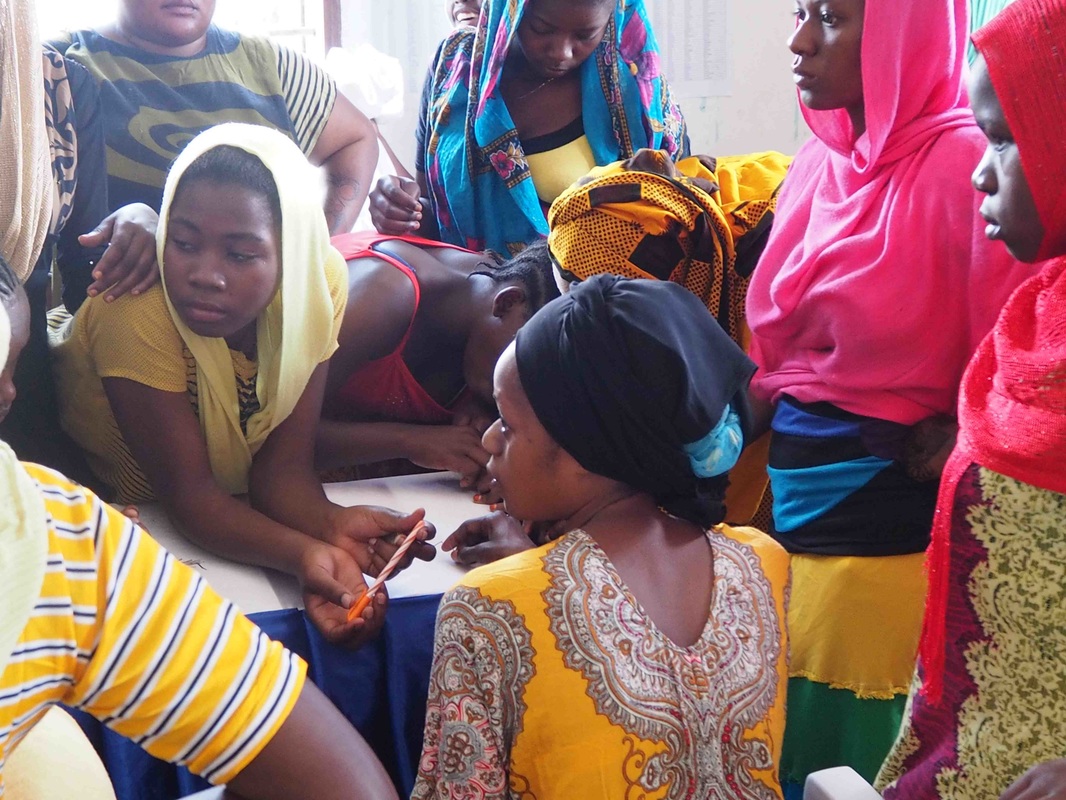
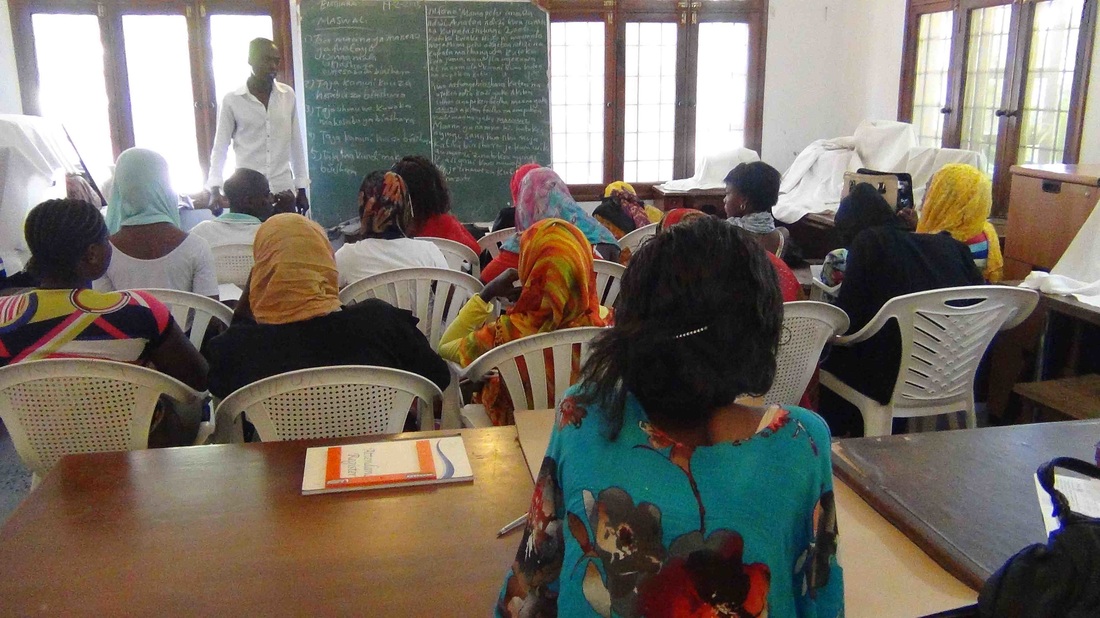
On a normal day as you enter the training centre you find a big group of girls from different background diligently working with their trainer, assisting each other in learning, carrying on with their tasks joyfully.  Another small group of girls are preparing the break snacks and tea for their classmates while quietly whispering to each other.  On the other side of the yard in a dark classroom, a group of mixed youth pay attention to their teacher and once in a while the sound of their laughter fills up the air.  In the adjacent classroom, the afternoon session early birds work together learning English with limited supervision.  Inside, the coordinator and the director attend to many overwhelming issues including sick participants who should be escorted home, water and power outages, evacuation notices, hungry girls and boys, parents who beg for their children to be enrolled, rain pouring into the classroom due to porous thatch roof causing havoc and therefore stranded participants, lack of human resources to help, no telephone or Internet, hot and humid weather and no fan or air-conditioning to make it easier,  limited space to deal with all, and finally but not least people who drop in to request new projects to address their needs.

One might ask what really makes Chipua a special place? Despite the rigors of working in the developing world, our staff remain committed to our programs and, more importantly, to our participants. Encouragement is the corner stone of any training at Chipua. Staff members work with participants to develop an upright character that encourages the participant to become an active member of society who behaves in such a way that others want to work with them and spend time with them. After attending Chipua for only a few months, all the participants interact with each other differently and feel they are part of one human family.

Chipua is currently operating five projects under the Girls in Crisis and Second Chance programs:

  • Supported by the Australian Agency for International Development (AusAID) under its Africa Regional Small Activities Scheme (ARSAS), the first project under the Girls in Crisis program is training 50 girls at the Chipua Training Centre in the Kinondoni neighborhood of Dar es Salaam. The project began in April 2010 and it will conclude in November 2010.
  • The second Girls in Crisis project is supported by the Diplomatic Spouses Group of Dar es Salaam. The project targets vulnerable girls in the Yombobuza slum on the outskirts of Dar es Salaam. 20 participants have been selected, and Chipua is in the process of constructing a banda (temporary shelter) and preparing the training area.
  • The Second Chance program is currently supporting three projects: one morning session and two afternoon sessions at the Chipua Training Centre in the Kinondoni neighborhood of Dar es Salaam. The morning session was started in January 2010 and it will be completed by October 2010. The two afternoon sessions were started in January 2010 and they will be completed by October 2011.
 

Empowered Girls Embraced By Public in Kinondoni

E-mail Print PDF
Mentors and community members in Kinondoni, Dar es Salaam.DAR ES SALAAM, 8 November 2010 -- At a public gathering held in their home neighborhood of Kinondoni, five girls were welcomed and congratulated for their achievements after taking part in a 6 month training supported by AusAID. The girls were introduced to local women in a public gathering organizated in collaboration with the local government. These empowered girls made public testimonials as to how Chipua had made a difference in their lives.

"I was sitting at home, idle, disappointed without any vision or any understanding of what I had to do, or what role I had to play in my society.  But then I was lucky I found Chipua, where I learned that change starts with me.  So, that was the starting point," said Albertina Fungumeza, a program participant since March 2010. "Since then, I have gone a long way. I am not the Albertina I used to be.  I know how to use my hands to create money, how to start a business, how to prevent HIV/AIDS, and above all, I know that I have to help my community to develop."

Victoria Sylvester another program participant continued, "the community will only develop when us women work together."

The women from the community expressed their delight and congratulated the girls, who are referred to as mentors from now onward. These mentors will use a publication produced specifically for this purpose and impart their knowledge on life skills to other girls in the Kinondoni area.  As part of the program, the mentors form their own girl groups and meet once a week to learn together and support one another.

The public gathering was the first in a series planned to connect the program participants with their home communities where they will be mentoring other girls and women who need help.

This project is supported by AusAID.
 

Mission Statement

Chipua seeks to advance the social development of underprivileged, at risk and vulnerable youth, especially girls, through a holistic program that focuses on technical, artistic, social and moral education. Participants are empowered to lead meaningful lives and become agents of positive social change in their community by:

Developing technical skills to assist them in becoming financially self-sufficient;

Reinforcing the positive character attributes necessary to boost their self-esteem and confidence through artistic expression and traditional curriculum; and

Learning appropriate fundamental moral attitudes to become responsible and contributing citizens of the global community.

Partnerships


We partner with the Global Fund for Women, an international network of women and men committed to a world of equality and social justice. They advocate for and defend women's human rights by making grants to support women's groups around the world.

We partner with AusAID, the Australian Government agency responsible for managing Australia's overseas aid program. It assists developing countries to reduce poverty and achieve sustainable development in line with Australia's national interest.